Budapest Business University Hospitality Course work 2016-2017 Part 2
In 2017, barely had the year begun when I was able to participate in a special event. My article written at that time can be read here.
“Tamás Széll at the finale of the Bocuse d’Or chef competition training
Tamás Széll and the Hungarian Bocuse d’Or team prepare six days a week for the competition in Lyon on January 24-25. There are two tasks in the 2017 competition. For the first time in the 30 years of the biennial competition, one of the main dishes is not a fish dish but vegan, while the other is a dish made from Bresse chicken. Both dishes must be prepared in 14 portions. The vegan dish must be plated on individual plates, while the chicken must be served on platters with side dishes and sauces.
Dr. Dénes Sándor was invited and participated on January 5, 2017, in a tasting arranged by Rasmus Kofoed, a 3 Michelin star chef and the Bocuse d’Or gold, silver, and bronze medal coach.
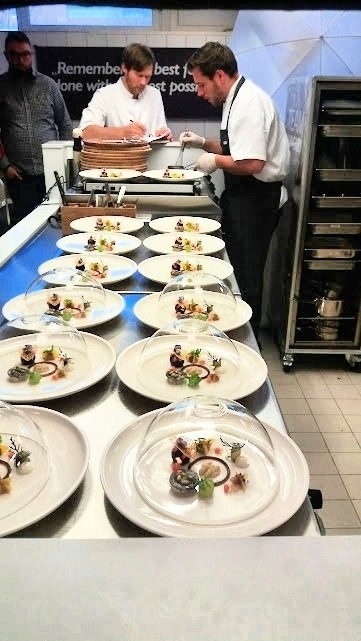
Understandably, no photos can be published before the competition about the preparation (they may appear in the February issue), so it is difficult to express the professional proficiency experienced during the training. Chef competitor Tamás Széll and commis Kevin Szabó worked silently but executed every movement already in their minds perfectly and worked together seamlessly. Coach Frigyes Vomberg directed the timing according to the schedule spread out on the table in front of him, opposite the kitchen.
The prepared and served dishes represented the cream of the world-class! The dishes were outstanding aesthetically (color, shape, quantity, proportion), as well as in their flavor and texture – and, befitting the Bocuse d’Or competition, in their complexity.
Seeing the professional work and tasting the dishes, we can justifiably be hopeful for the competition in Lyon.
It is a special pleasure and honor that both Tamás Széll and Frigyes Vomberg will teach as guest lecturers in our soon-to-start “Top Gastronomy” training.”
As I already wrote, unfortunately, our “Top Gastronomy” training did not eventually start. However, the photos taken at the event can now, after a few years, be shown.
Photos from the competition preparation:
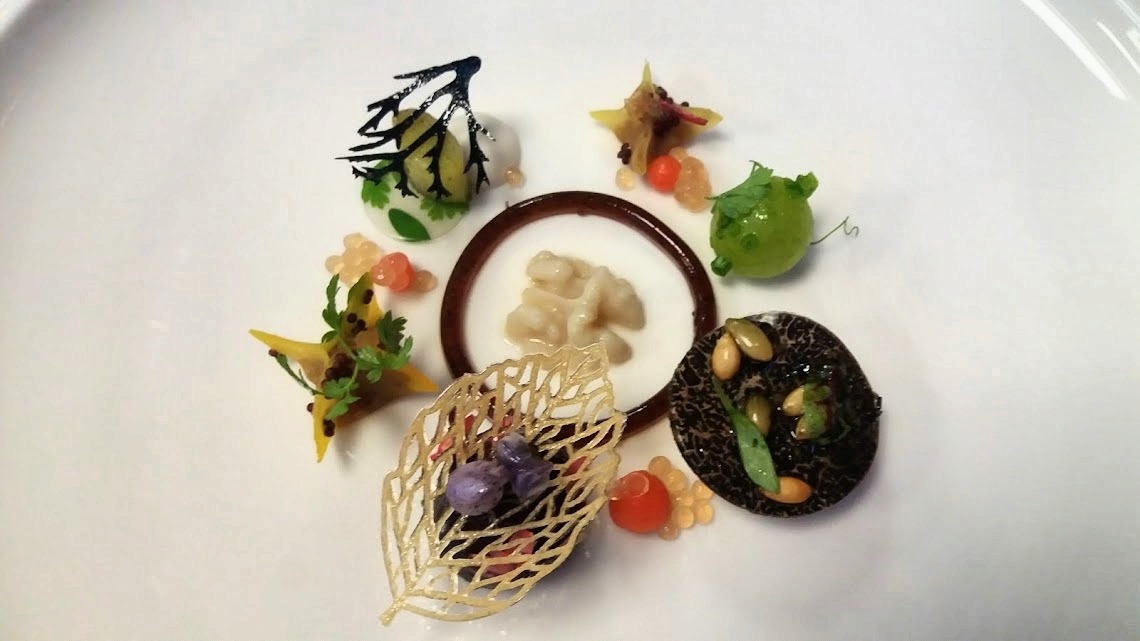
Rasmus Kofoed and Tamás Széll; The vegan main course
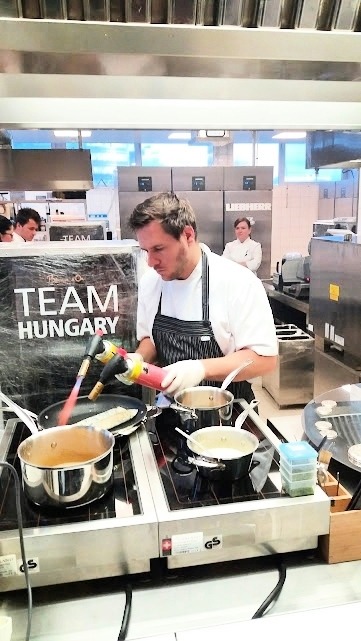
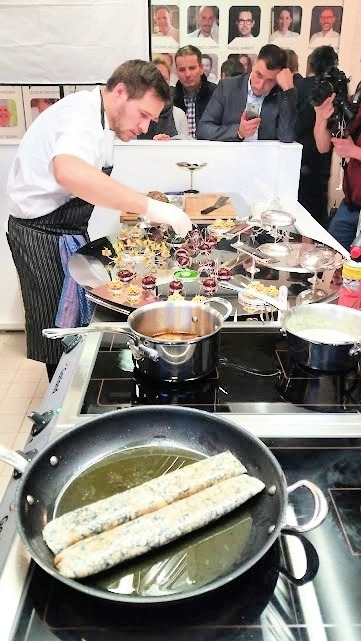
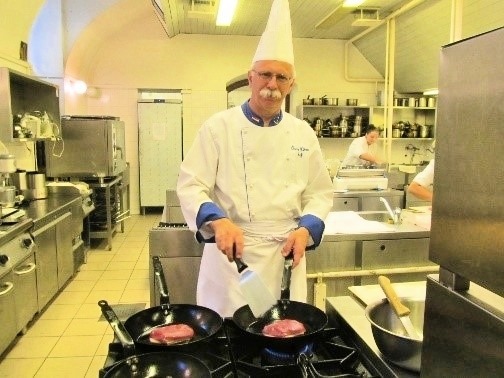
Tamás Széll at work
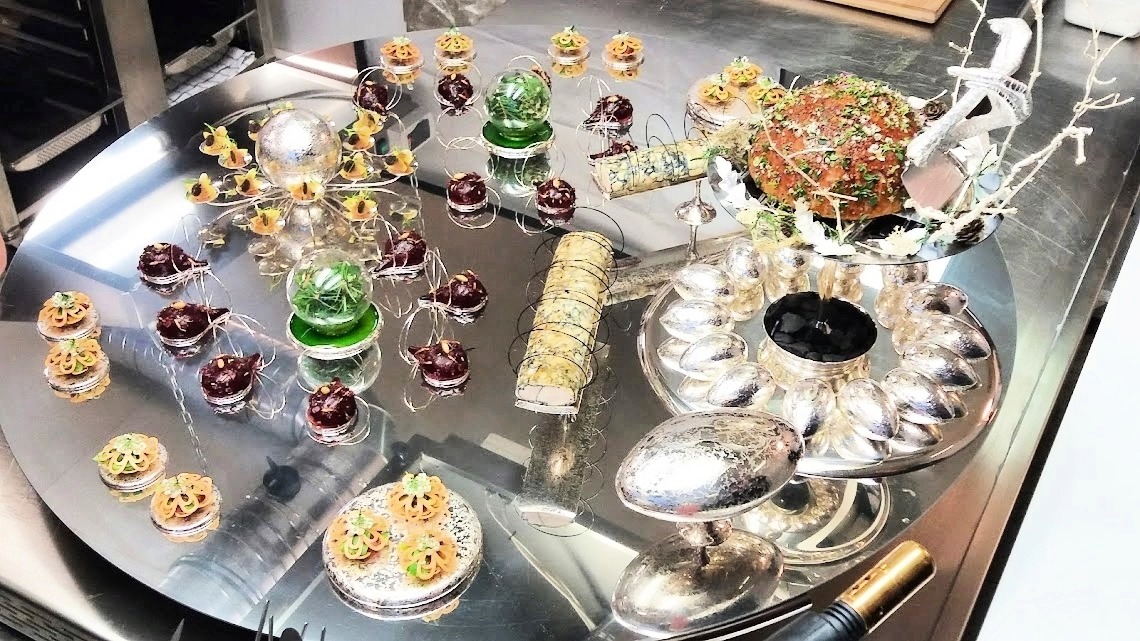
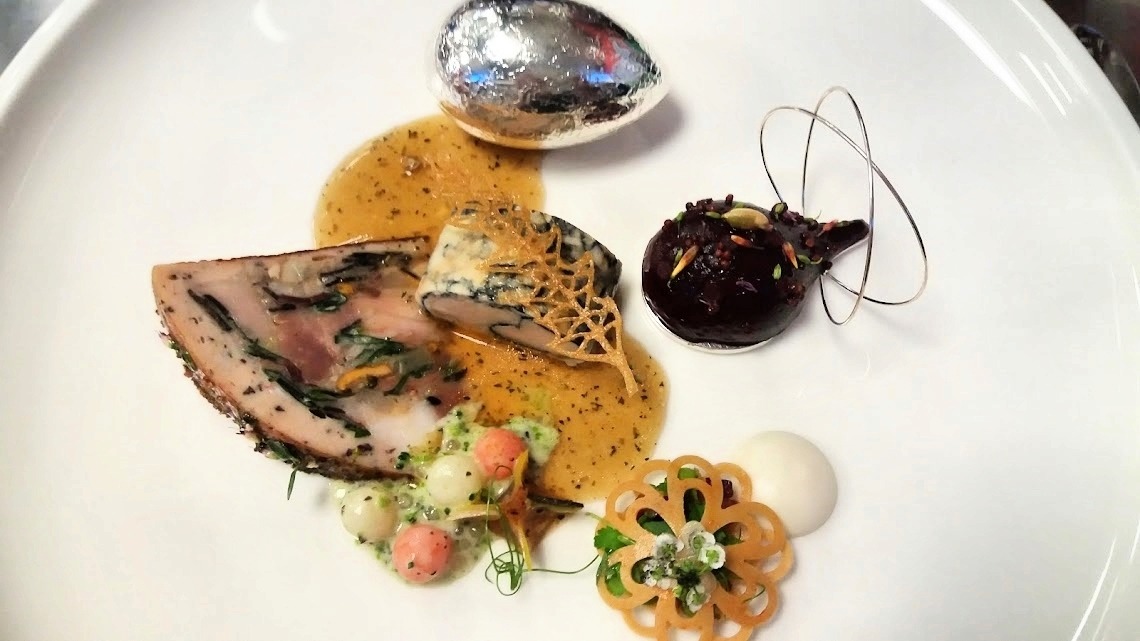
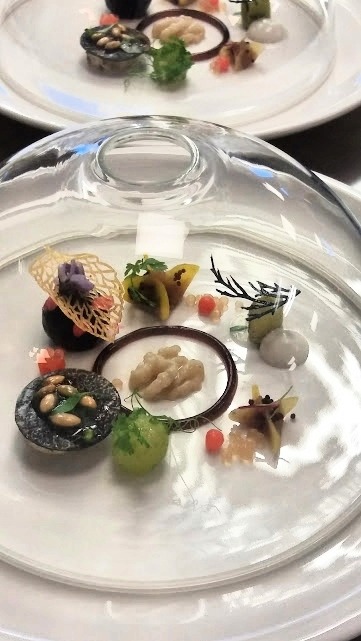
The Bresse chicken platter and plated as a single serving
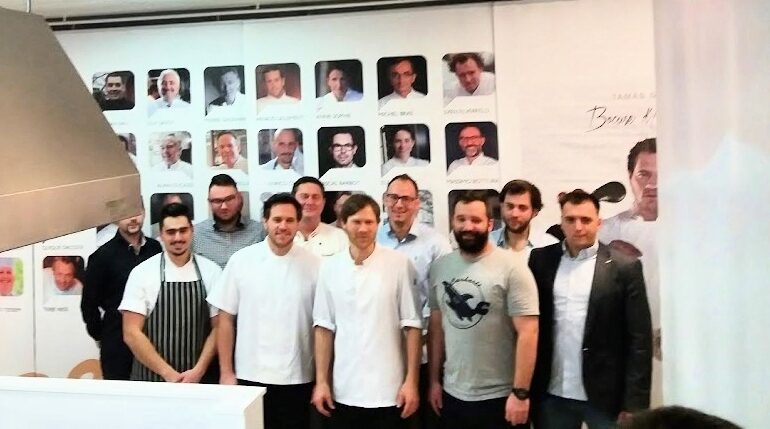
Some of the participants at the event
*
Bocuse d’Or After Party
On January 28, 2017, in Budapest at the Belvárosi Market on Hold Street, a Bocuse d’Or After Party was held in honor of the Hungarian Bocuse d’Or team. The event was very successful; everyone had already let go of the competition excitement, processed it, and celebrated joyfully. There was an opportunity to talk with the team members, remember the great moments in Lyon, and congratulate them again on the historic success. Some photos show the festive event, at which I participated with my colleague Gábor Tóth.
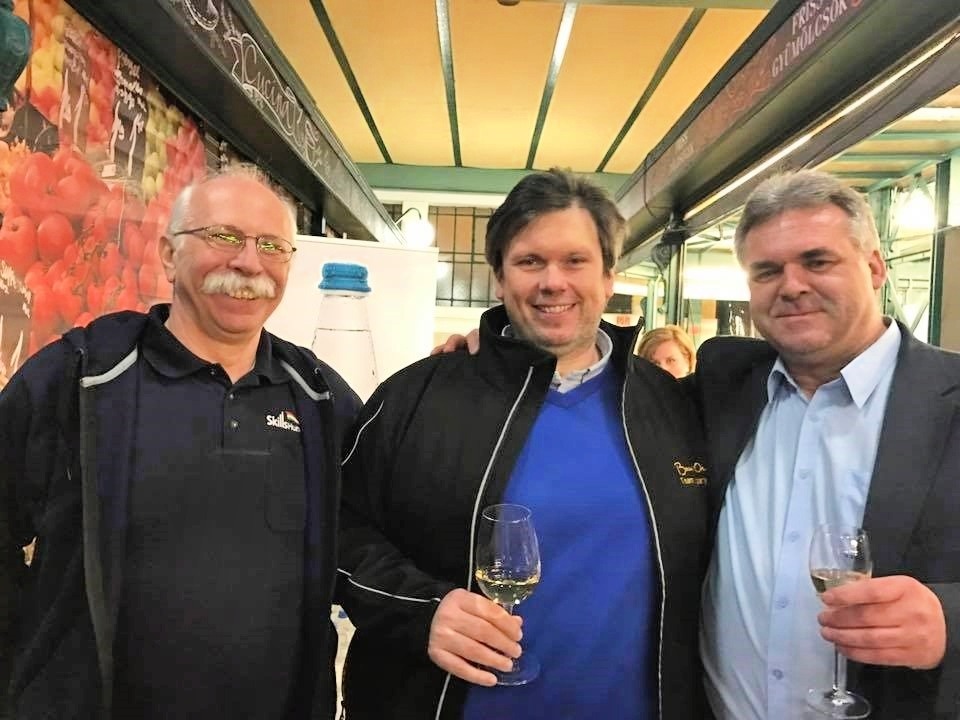
Dr. Dénes Sándor, Zoltán Hamvas president of Bocuse d’Or Hungary Academy, Gábor Tóth restaurant master
*
The Club of Hungarian Restaurant Masters visiting KVIK
On February 4, 2017, more than 50 members of the Club of Hungarian Restaurant Masters visited the BGE KVIK building on Alkotmány Street. After visiting the Library and the Gundel Károly Room, the guests viewed the renovated kitchen of the Training Cabinet, and then in the Training Restaurant, they enjoyed the dishes and beverages prepared and served in their honor. The Menu of the event can be seen as an attachment.
Among the guests, we welcomed, among others, István Ferenc Balogh, president of the Club of Hungarian Restaurant Masters, Attila Kótai, former president of the Hungarian Bartenders’ Union and doyen of the Hungarian bartender profession, Gábor Katona, former manager of the Pilvax Restaurant and co-owner of Taverna Rt., Tibor Nagy, former operator-owner of the Mohács Fishermen’s Tavern, as well as István Simorádi of Mátyás Cellar and Gundel Restaurant, Andor Kakuk of the Nemesvámos Betyár Tavern, János Horváth of Sasfészek Restaurant Kecskemét, formerly of Tanyacsárda, and dr. Gyula Papp, former manager of the Museum Café and Restaurant. We were also pleased to welcome Professor Dr. János Gundel and his wife, our colleague Péter Stroh, as well as our former colleague Gyula Kerekes, and Zsolt Várnai, who graduated from BGE KVIK a few years ago.
The hosts were Dr. Dénes Sándor and Gábor Tóth, assisted by colleagues Hedvig Hidvégi, Anikó Szőcze, and Mihály Nagy, along with ten students specializing in hospitality and hotel management.
Nothing proves the success of the event better than the number of thank-you letters received by President István Ferenc Balogh, which set a record following this notable occasion.
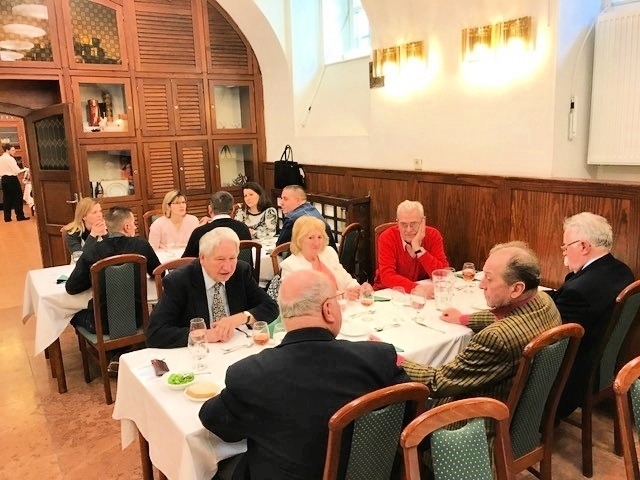
The guests
*
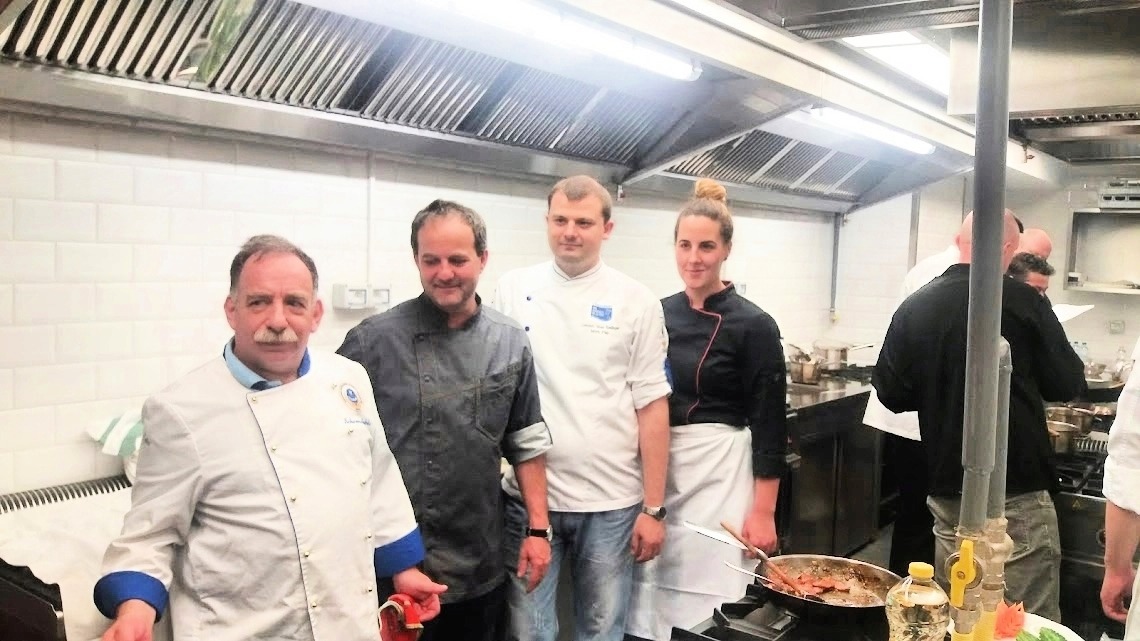
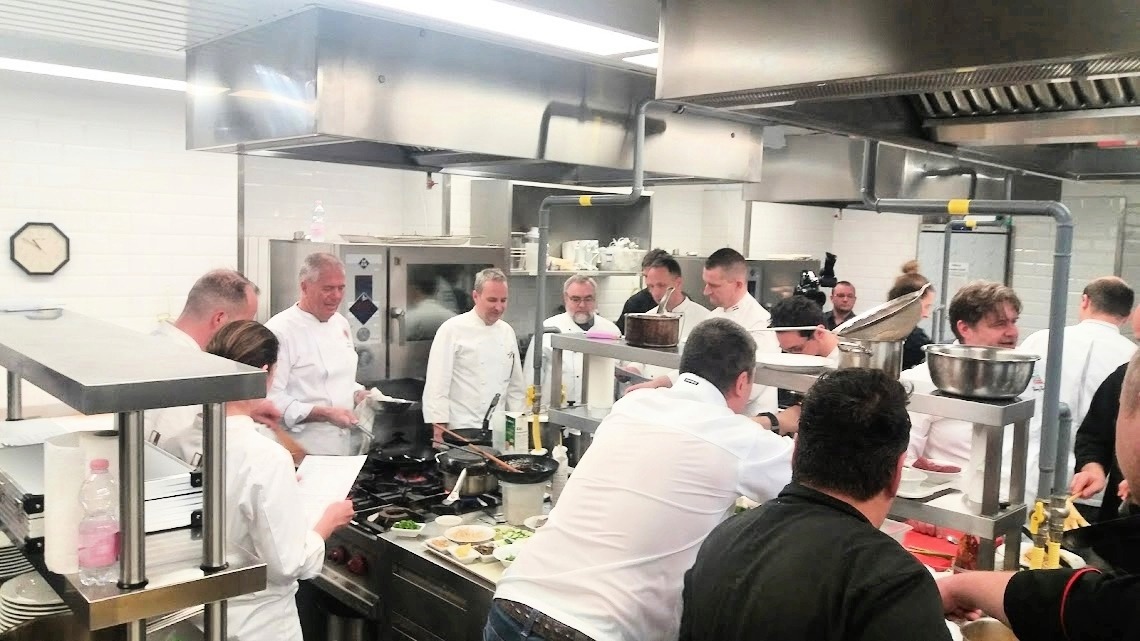
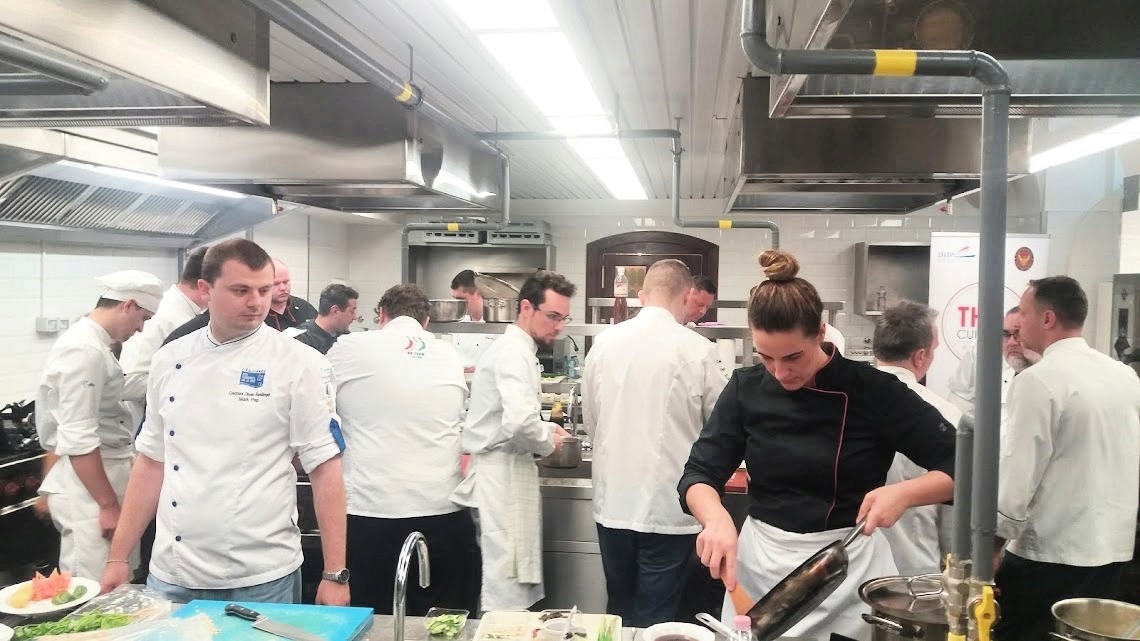
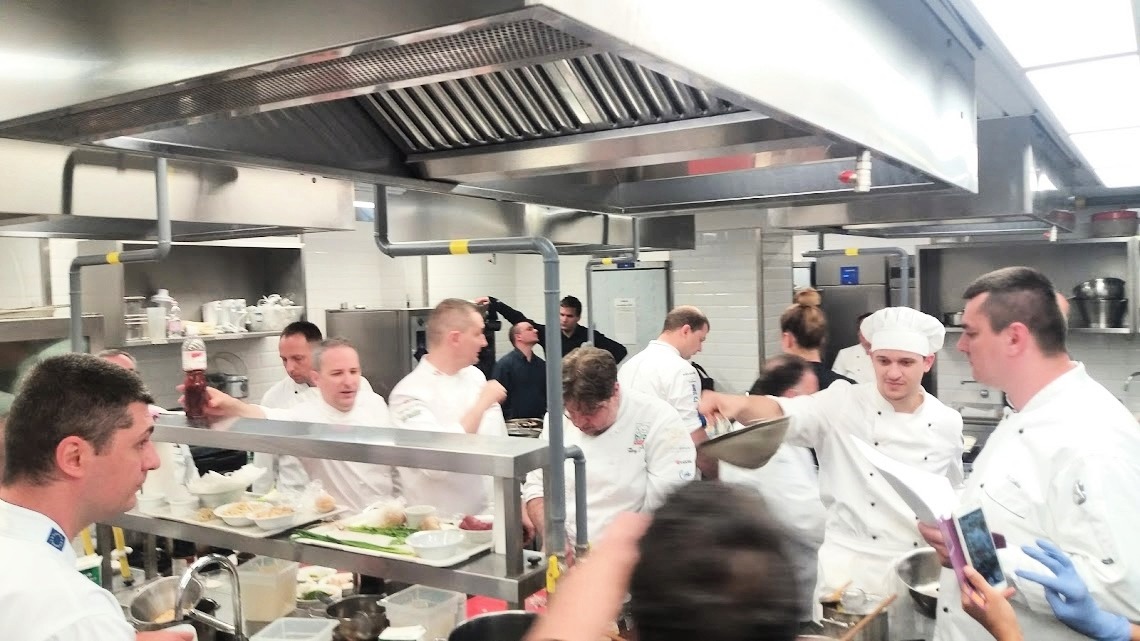
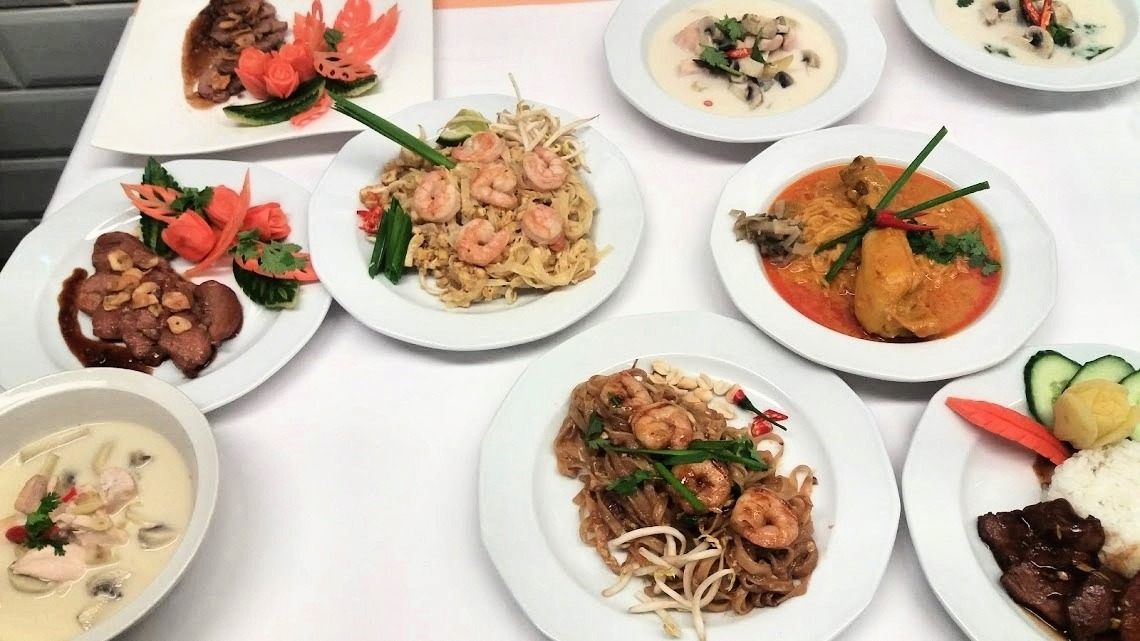
Thai food presentation at BGE KVIK
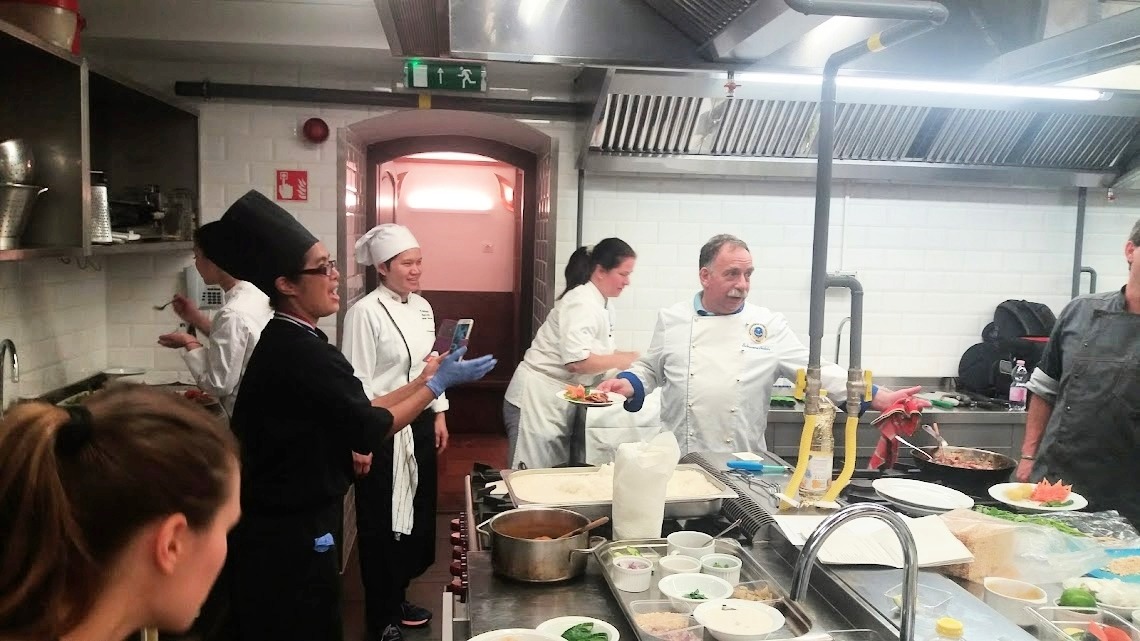
Organized by the Thai Embassy and the BGE KVIK Department of Hospitality, invited chefs and students were able to attend a highly successful Thai food presentation in the Training Cabinet on Alkotmány Street on May 16. The cooking demonstration was conducted by Siriwan Siridej, a Thai master instructor, who visited us for the second time at a similar event. The main patron of the event was Mrs. Prapa Vijaykadga, Commercial Counselor of the Thai Embassy.
In the first part of the demonstration, the Thai chef presented the preparation of jasmine rice, Tom Kha Kai (Coconut Chicken Soup), Phad Thai (Stir-fried Noodles with Shrimp), Pepper-Garlic Pork Medallions, and Curry Noodle Soup, after which the participating chefs and students prepared these dishes in groups of four.
The event was very successful partly because the Thai chef’s professional yet approachable style immediately won the participants’ sympathy. It was also successful because among the Hungarian chefs, we welcomed guests such as László György (corporate chef of Danubius Hotels), Viktor Segal, Áron Barka (executive chef of Continental Hotel), Viktor Varjú (executive chef of Bock Bistro), József Gran (corporate chef of Accor Hotels), Attila Nagy (executive chef of Kastélyhotel Sasvár), and from among our students, Barbara Ramocsai and Fanny Czompa, who have already achieved notable results internationally.
The smooth organization of the event was ensured by Hedvig Hidvégi, Anikó Balog-Siposné Szőcze, and Brigitta Czibi. The host of the event was Associate Professor Dr. Dénes Sándor.
Photos of the food presentation:
*
Gastronomy Seminar at the Silesian University in Opava, Czech Republic
For the fourth time, BGE KVIK participated in the gastronomy seminar in Opava, Czech Republic at the Silesian University from June 26 to June 30, 2017, with two students from the English-language hospitality and hotel management program, Viktória Bernadett Svajda and Henriett Kollár.
Five countries participated in the event: Serbia, Ukraine, Slovakia, Czech Republic, and Hungary.
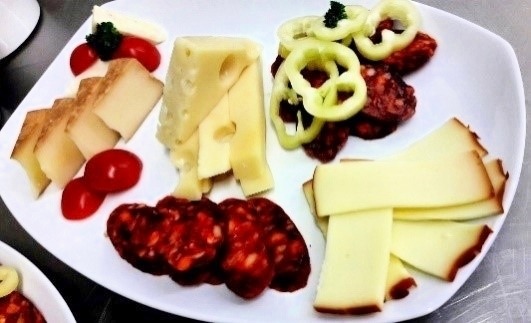
This year’s cooking theme was “story, contemporary, historical dishes.” We chose the cuisine from the era of King Matthias and prepared a menu accordingly for 20 people. During the lunches, where each day a different country cooked, there was an opportunity to taste the delicacies, and within the framework of a presentation, the countries also introduced their chosen “story theme.” Each country offered its own welcome bites—for example, we served Hungarian cheeses and sausages, while other countries offered their wines, sparkling wines, and aperitif or digestif drinks with the meal.
The afternoon and evening programs were very diverse: grilling with cocktail demonstrations, sightseeing in Opava and then in Ostrava, local beer tasting, and a visit to a winery were also included in the program.
The hosts highly appreciated our students’ work, positive attitude, and professionalism. Our dishes were found to be very delicious and aesthetically pleasing. The menu was as follows:
- Welcome bites: Hungarian cheeses and sausages
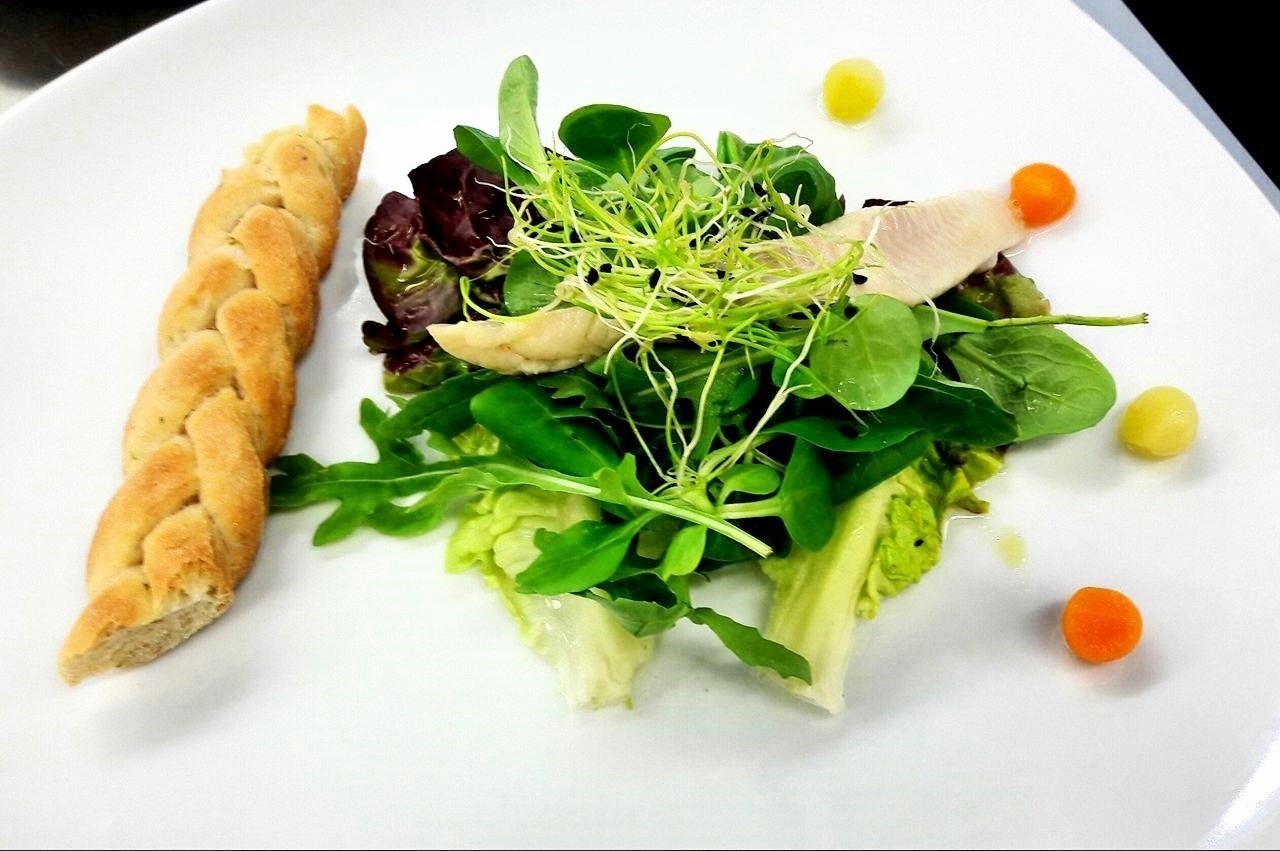
- Cold appetizer: Spicy trout bites on a bed of salad with homemade braided bread
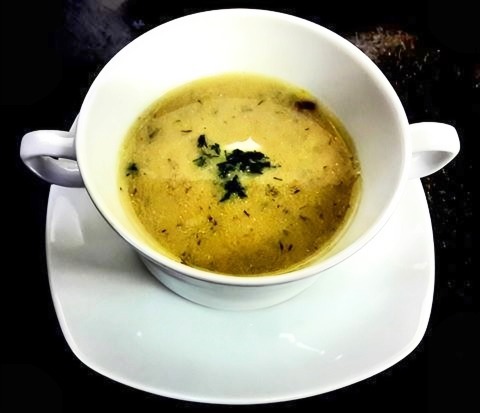
- Soup: Dill and sour cream goose soup with roasted goose breast cubes
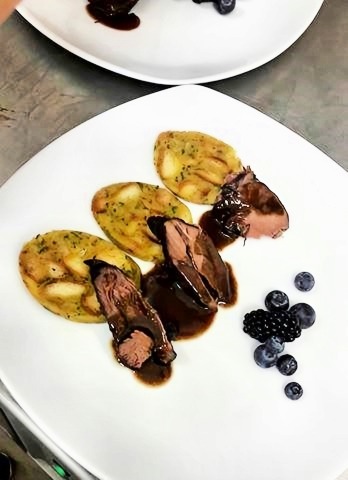
- Main course: Roasted wild boar leg with figs, honey, bread dumplings, and red wine gravy
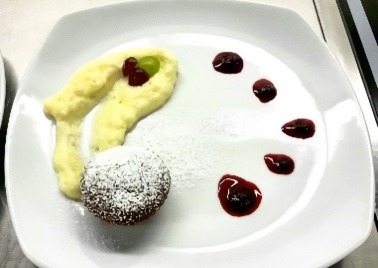
- Dessert: Ginger chocolate soufflé with muscat wine custard
The students were prepared by Bernadett Hartner and Dr. Dénes Sándor.
Photos of the event:
*
The research activity presented in the previous period (1993–2004) in this period (2005–2017) also focused primarily on educational activity and its development, which was based on personal international (Finland, France, Italy, Switzerland, etc.) primary and secondary research.
Among the research topics from the 2005–2017 period, it is worth mentioning my own PhD work, “The Gastronomic Geography of Hungary,” which spans a six-year period (2006–2012). I will report on this research in a separate chapter.
*
In 2010, we developed a complex research plan for the students, which can be read below.
“Applied Research Techniques in Gastronomy and Hospitality
- Natural Science Aspects (nutrition, food)
1.1. General methodology of research
1.2. Possibilities and methods of literature review
1.3. Visit to the National Meat Industry Research Institute
1.4. Visit to the National Institute of Food and Nutrition Science
1.5. Innovations in nutritional science and kitchen technology
1.6. Ingredients used in the ‘Practical Food Preparation’ block
1.7. Preparation for individual research work
(topic and method selection, scheduling)
1.8. Discussion of papers to be written based on workshop sessions, and preparation of the versions to be submitted for the Students’ Scientific Conference (TDK)
- Applied Economic Aspects (planning and management)
2.1. Analysis of consumer behavior in hospitality
2.2. Examination of entrepreneurial behavior in hospitality
2.3. Return on investment analysis based on a fictional case study
- Practical Food Preparation
3.1. Examination of salmon fillet confit (measurement of different temperatures and heating durations, followed by organoleptic evaluation)
3.2. Examination of tenderloin cooking (measurement of different temperatures and heating durations, followed by organoleptic evaluation)
3.3. Possibilities of vegetarian food preparation (ingredients and their practical use)
3.4. Possibilities of applying sous-vide technology (ingredients and their practical use)
Evaluation: Each student, based on what they have learned during the talent development workshop sessions, prepares a short report on a topic of their choice. These papers are partly bound and distributed, and also serve as a basis for participation in the autumn Students’ Scientific Conference (TDK).”
Among the above topics, my colleagues and I deeply explored the “confit of salmon fillet,” the “possibilities of heat treatment of tenderloin,” and the “application of sous-vide technology.”
These studies were primarily managed by my colleague Hedvig Hidvégi, as she chose the optimization of heat treatment of various animal-based products, primarily meats, as the topic for her PhD studies.
*
Accordingly, in 2014 we conducted a meat research as follows, which was followed by several similar studies.
“Food Safety Grant Research
The current research of the Department of Hospitality is literally running at full steam based on the ‘Food Safety Grant.’ In November and December 2014, analyses of two types of meat samples are being conducted: Australian aged tenderloin and Hungarian roast duck breast sous-vide treated (heat-treated using vacuum technology).
The kitchen technology examinations of the meats are carried out by instructors Hedvig Hidvégi and Dr. Dénes Sándor, microbiological tests by retired associate professor dr. Katalin Schmidt and technician Veronika Farkas, the texture examinations at the NAIK Food Science Research Institute with the assistance of Zsuzsanna Cserhalmi and József Fehér, while the chemical background analyses are performed by KÉKI staff. The entire research is overseen and coordinated by department head Dr. Andrea Lugasi.
During the research, the meat samples are sous-vided at three different temperatures, with varying core temperatures and two time durations, then evaluated organoleptically based on color, smell, texture, and taste quality parameters.
Additionally, the given meat samples are also prepared using traditional technology, i.e., grilled on a rack and heat-treated in an oven, and the test results are compared with those of the sous-vide samples.
According to the rules of natural science research, all heat treatments and durations, as well as microbiological, texture, and chemical examinations, are performed on three samples each, ensuring professional credibility and scientific acceptability of the results.”
The images of the research:
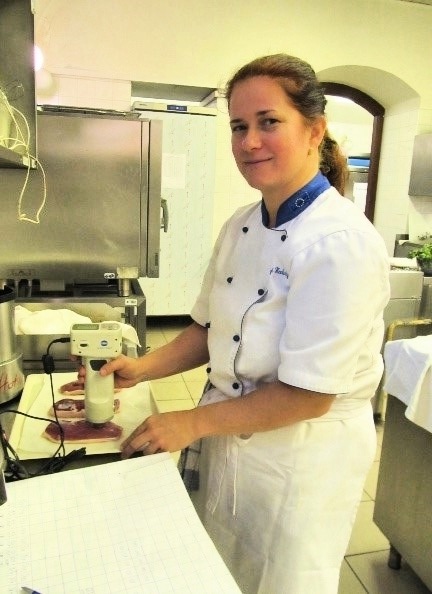
Meat texture measurement, Hedvig Hédi
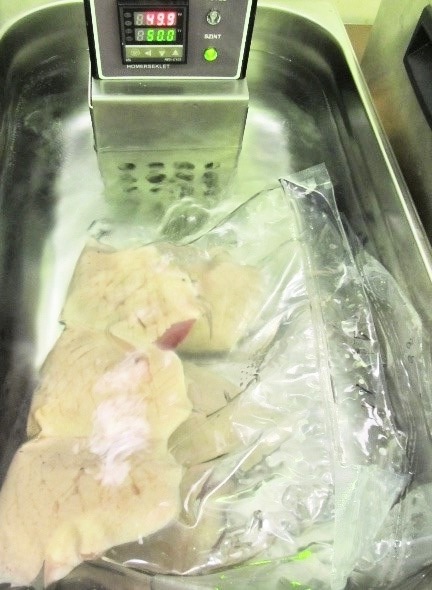
Duck breast sous-vide at 50 °C
I am pre-searing the duck breasts
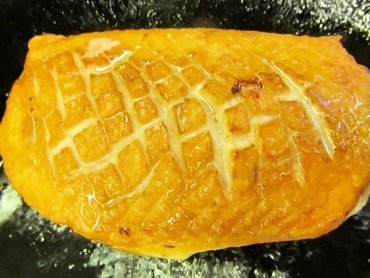
Pre-seared duck breast
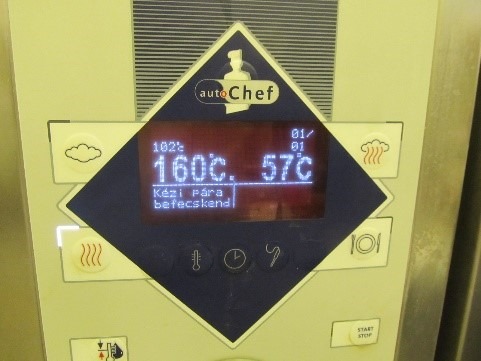
Roasting at 160 °C until an internal temperature of 57 °C
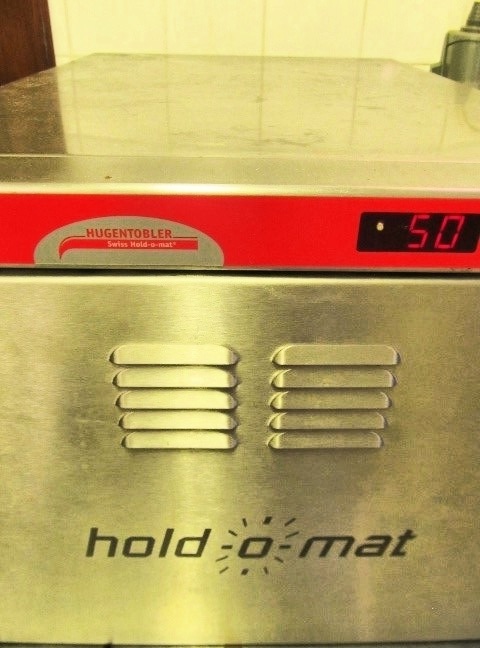
Resting the meat at 50 °C
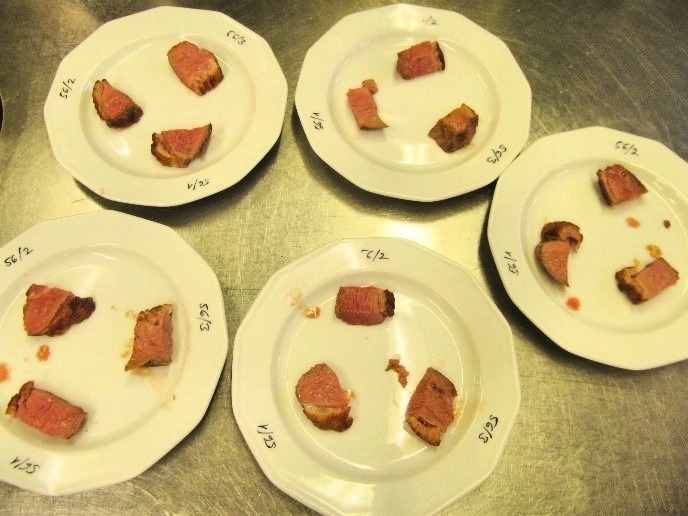
Organoleptic samples
*
In February 2016, we researched product development possibilities for domestic fish.
We made fish patties from carp and silver carp with various seasonings – herbaceous, citrus, Mediterranean, etc. – and different coatings and binding agents, such as potato flakes, oil seeds, oat bran, etc. These fish patty variations were cooked both in a pan and in the oven.
From carp, we also prepared filleted pieces with different seasonings, which we fried until crispy.
We received encouraging results, but the client who commissioned the product development considered our research to be complimentary. Therefore, we did not provide any details about the results of our research.
*
From September 2016, we began product development of dishes that can be made from sweet potatoes. Primarily, we prepared croquettes, gnocchi, patties, and chips with various seasonings, all of which turned out well except for the chips. Of course, we experimented with frying the chips until their texture became good. By the time we achieved this result, our client had already moved on to another direction in their activities.
*
My publications from 2005 to 2017 were as follows:
Gastrorendezvous 2005 from the Chef’s Hat Perspective | Vendéglátás 2005 |
Bocuse d’Or 2005 | Vendéglátás 2005 |
Harmony and Practicality | Vendég 2005 |
Chef Training in Louisiana and Local Gastronomy | Vendéglátás 2005 |
Food preparation: Part 1. 1/8. Video | BGF KVIFK 2005 |
Food preparation: Part 2. 9/15. Video | BGF KVIFK 2005 |
Culinary Successes in Luxembourg | Vendéglátás 2006 |
Italian Gastronomy | Gasztró Fórum 2006 |
Innovative Gastronomic Innovations – International Patented Technologies and Their Application Possibilities | BGF KVIFK 2007 |
Analysis of the Appearance of Regional Dishes in the Menu of the Southern Transdanubian Tourism Region | BGF Scientific Yearbook 2007 |
Analysis of Hot Kitchen Units’ Menus in the Central Transdanubian Tourism Region | In: Intercultural Dialogue in Business 2008 |
Analysis of Hungarian Raw Materials and Regional Dishes in West, Central and South Transdanubia Tourism Regions | BGF KVIFK 2008 |
Analysis of Traditional Agricultural and Food Products and Regional Dishes in the Southern Great Plain Region | BGF KVIFK 2009 |
Analysis of Regional Dishes in the Menu of the Southern Transdanubian Tourism Region | Tourism Bulletin 2009 |
Transdanubian Menu – Analysis of Local Raw Materials and Dishes | Economica 2009 |
Analysis of Local Raw Materials and Regional Dishes in the Budapest-Central Danube Tourism Region | In: Crisis and Renewal 2009 |
Professional Knowledge for Cooks | Tankönyvmester 2009 |
Choice of Hungarian Regional Dishes in the Southern Great Plain Hungary | Advances in Food Hospitality and Tourism 2010 |
Analysis of Local Ingredients and Dishes on Menus of Budapest-Middle-Danube Tourism Region | Chinese Business Review 2010 |
Comparative Analysis of Menus in the Northern and Southern Great Plain Tourism Regions | In: (inTSMconf) Debrecen 2010 |
Analysis of Traditional Agricultural and Food Products and Regional Dishes in the Southern Great Plain Region | Unidocument Szeged 2010 |
Analysis of Traditional Agricultural and Food Products and Regional Dishes in the Central Transdanubian Region | Agora BGF KVIFK 2010 |
The Present and Vision of Hungarian Gastronomy Dish Choice | In: Responsible Tourism – Responsible Tourist 2011 |
Hungary’s Gastronomic Geography | BGF 2011 |
The Search for the Gastronomic Geography of Hungary | BGF 2011 |
The Role of Gastronomy in Hungary’s Tourism Geography | PhD Dissertation PTE |
Laboratory and Sensory Examination of a Hungaricum Brand Produced in a World Heritage Wine Region, Tokaji Aszú (co-author) | In: Hungarian Society of Nutrition Science XXXIX. Congress 2014 |
Professional Knowledge for Cooks (textbook) | Műszaki Kiadó 2014 |
Effect of Different Heat Treatments on Sensory Properties and Instrumental Tenderness of Beef Sirloin and Roast Duck Breast (co-author) | In: Hungarian Society of Nutrition Science XL. Congress 2015 |
Effect of Low Temperature Culinary Processes on Internal Characteristics and Oxidation Processes of Meats from Different Animal Species (co-author) | Hungarian Free Radical Research Society VIII. Congress 2015 |
Changes in Internal and Lipid Peroxidation Characteristics Caused by Different Heat Treatments in Beef Sirloin and Roast Duck Breast (co-author) | Hungarian Free Radical Research Society VIII. Congress 2015 |
Sensory and Texture Analysis of Beef Sirloin Treated with Two Different Technologies (co-author) | In: Hungarian Society of Nutrition Science XLI. Congress 2016 |
Culinary Technology – Gastronomy – Health (co-author) | In: II. Big Food Conference Abstract Book 2016 |
Changes in Internal and Lipid Peroxidation Characteristics of Beef Sirloin Depending on Different Preparation Methods (co-author) | 60th Anniversary Hungarian Society of Nutrition Science XLI. Congress 2016 |
Professional Knowledge for Cooks (textbook, expanded 2nd edition) | Műszaki Kiadó 2019 |
Internal company professional materials:
Title | Source / Year |
Menu Refresh (co-author) | Malév Catering 2006 |
Hungarian Gastronomy in the 21st Century (co-author) | MTA 2006 |
Innovative Gastronomic Innovations in Ingredients, Packaging, Storage Possibilities and Kitchen Equipment, and Their Application Methods in Gastronomy (co-author) | MTA 2007 |
Food Selection Concept of Bikali Experience Estate | Puchner Castle Hotel Ltd. 2008 |
Educational Material (co-author) | Metro Commercial Ltd. 2009 |
*
Click on the picture to watch the video of the “Wine Foam Dessert” prepared at the Joyful Cooking event! The recipe is found below the video!
You can watch the interview with Péter Korponai, available on YouTube, by clicking here.
The spontaneous stories shared at the Joyful Cooking event can be found here:
https://www.youtube.com/watch?v=oeSnDBIjWdc
https://www.youtube.com/watch?v=tlgPMA3-mpU
https://www.youtube.com/watch?v=7rXnnIiLIg8
https://www.youtube.com/watch?v=BapQZ4lo4FU
https://www.youtube.com/watch?v=fcuvWShfigQ
https://www.youtube.com/watch?v=JSruPMaxKzI
https://www.youtube.com/watch?v=Drv7emghGTc
https://www.youtube.com/watch?v=VXSKH90VaiU
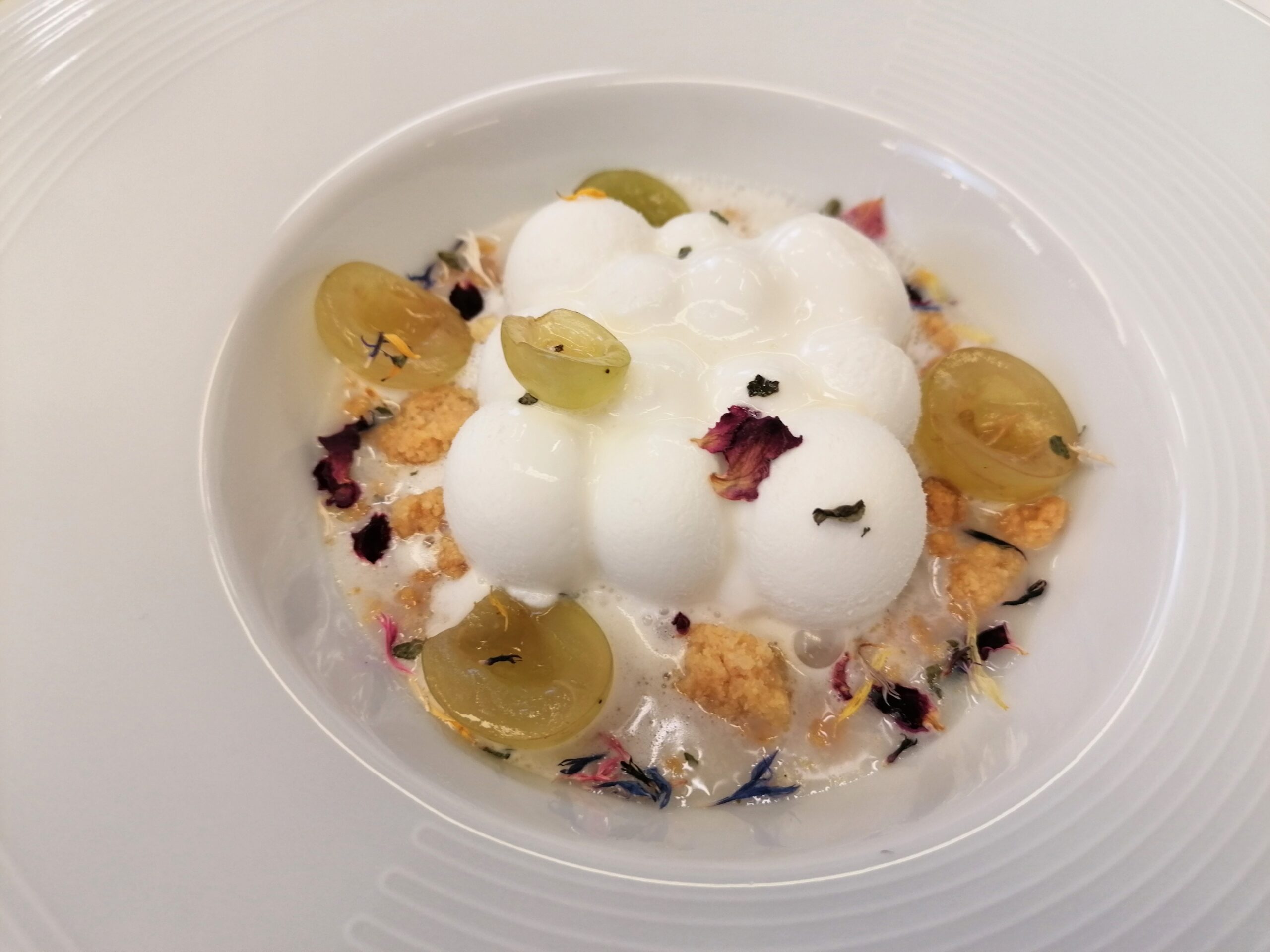
Wine Foam Dessert
Recommended ingredient quantities for 4 people
For the wine foam:
120 g furmint
70 g powdered sugar
8 g gelatin
350 g whipping cream
For the wine soup:
367 g furmint
210 g water
35 g sugar
5 g honey
10 g egg
30 g egg yolk
5 g cornstarch
cloves, allspice, cinnamon, tonka bean
For the almond crumble:
50 g almond flour
50 g sugar
50 g butter
50 g flour
The preparation steps:
- Bring the wine and sugar to a boil, then add the soaked gelatin and cool down to 28 °C. Whip the cream to soft peaks and mix it with the wine mixture. Pour into molds and freeze.
- Beat the eggs with the cornstarch. In a pot, bring the wine, water, sugar, honey, and spices to a boil, then mix a little of the liquid with the egg mixture and thicken the soup.
- Crumble everything together and bake at 150 °C for about 20 minutes.
*
Preview
Gaining experience in more developed countries from 2005 to 2018 and PhD studies from 2006 to 2012.
Joyful cooking with Áron Barka, who is the head chef at Zeina Hotels Budapest and also an active jury member in the domestic and international chef competitions of the Chaine des Rotisseurs, and with György Lipták, who is both an excellent graduate of BGE KVIK and has participated in numerous chef competitions either as a contestant or a jury member.
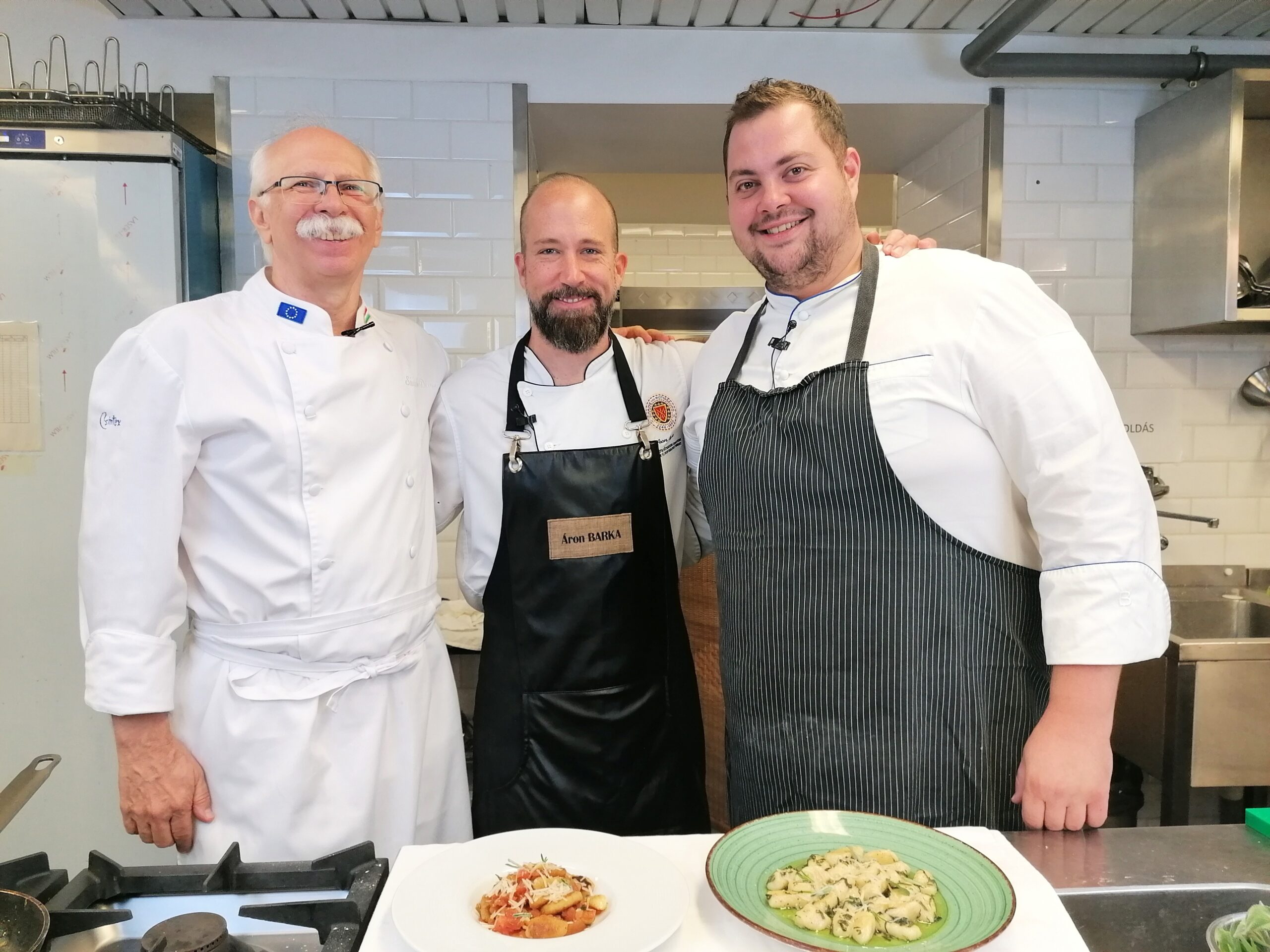
With Áron Barka and György Lipták
*